

Buying guide
How to Identify Pure Saffron at Home: 7 Simple Tests
By Team Jalpari Saffron • • 6 min read
Quick answer
Pure saffron releases a golden-yellow colour slowly in warm water while its threads stay red, smells sweet and honey-like, and tastes slightly bitter. Fake saffron bleeds red dye immediately, loses its colour, and is often sweet or oily. Always buy lab-tested saffron from a trusted brand.
Why fake saffron is so common
Saffron is the world's most expensive spice by weight — each flower gives only three red stigmas, picked by hand. That high price makes it a target for adulteration. Common fakes include corn silk, coconut fibres or the yellow styles of the saffron flower dyed red, as well as genuine saffron mixed with oil, sugar or synthetic colour to add weight.
The good news: most fakes can be caught with a few simple tests at home, using things already in your kitchen.
7 easy tests to check saffron purity
1. Warm water test
Drop 3–4 threads into a glass of warm water. Real saffron slowly releases a golden-yellow colour over 10–15 minutes and the threads stay red. Fake saffron colours the water red or orange within seconds and the threads turn pale or white.
2. Baking soda test
Mix a little baking soda in water and add a few threads. Pure saffron turns the mixture yellow; if it turns red, the saffron is likely dyed.
3. Smell test
Real saffron has a strong, sweet, honey-and-hay aroma. Little or no smell, or a chemical smell, suggests old or fake saffron.
4. Taste test
Place a thread on your tongue. Genuine saffron tastes slightly bitter, even though it smells sweet. If it tastes sweet, sugar has probably been added.
5. Rub test
Rub a soaked thread between your fingers. Real saffron stains your fingers yellow-orange and stays intact; fake threads break apart or leave a red stain.
6. Paper test
Press a few threads inside a folded white paper. Oily marks mean the saffron has been coated with oil to increase its weight.
7. Shape and price check
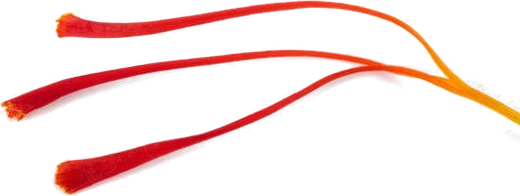
Each real saffron thread is a thin, trumpet-shaped stigma that widens at the tip. Threads that are all the same thickness, or a price far below the market, are warning signs.
Buy saffron that is already lab tested
Home tests are useful, but a laboratory test is the only way to measure colouring strength (crocin), aroma (safranal) and the absence of artificial colours. International standard ISO 3632 grades saffron into categories based on these values.
Every Jalpari saffron lot is tested at an NABL-accredited laboratory, and the business follows ISO 22000:2018 food-safety management and is FSSAI licensed — so you get pure saffron without having to test it yourself.
Frequently asked questions
How do you know if saffron is real?
Put a few threads in warm water: real saffron releases a golden-yellow colour slowly and the threads stay red. Real saffron also smells honey-like and tastes slightly bitter.
What colour does real saffron give in water?
Real saffron gives a golden-yellow to orange colour that spreads slowly over 10–15 minutes. An instant deep-red colour indicates artificial dye.
Does real saffron dissolve in water?
No. Real saffron threads stay whole and keep their red colour after soaking; only the colour and aroma move into the water.